
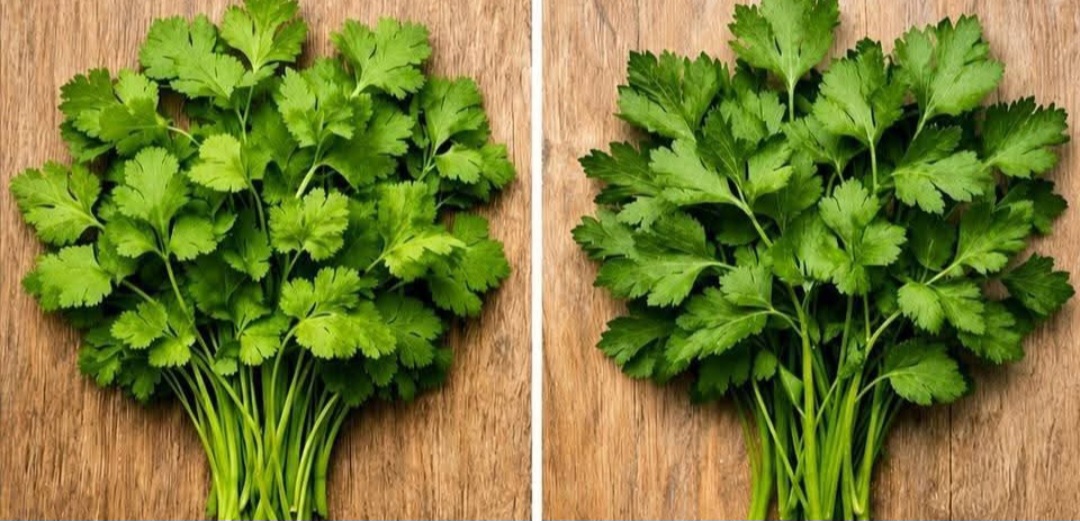
Identifying Cilantro: The Grocery Store Dilemma
Have you ever found yourself puzzled in the grocery store produce aisle? You’re not alone. Many shoppers struggle with distinguishing between similar herbs. One classic example is cilantro and parsley. In fact, studies show that over 90% of people get this wrong at the grocery store. This article aims to clarify the differences between these two popular herbs, provide tips for identification, and share insights on their culinary uses.
Understanding Cilantro and Its Characteristics
Cilantro, also known as coriander in many parts of the world, is an herb that is beloved in various cuisines, particularly in Mexican and Asian dishes. Its distinct flavor adds a fresh and zesty note to food, but many people have difficulty identifying it among other herbs.
Physical Appearance: How to Spot Cilantro
When trying to identify cilantro in the grocery store, look for the following characteristics:
- Leaf Shape: Cilantro leaves are typically broader and have a more rounded shape compared to parsley. They also tend to have jagged edges.
- Color: Cilantro leaves are a vibrant green color, which can sometimes appear slightly darker than parsley.
- Stem Characteristics: The stems of cilantro are thinner and more delicate in comparison to parsley, which has sturdier stems.
- Aroma: Cilantro has a distinctive, citrus-like aroma that sets it apart from other herbs. If you’re able to, give the leaves a gentle squeeze to release their fragrance.
Common Confusions: Cilantro vs. Parsley
Many shoppers confuse cilantro with parsley due to their similarities. Here are some tips to help you differentiate between the two:
- Flat-leaf vs. Curly-leaf: Cilantro usually has flat, broad leaves, while curly parsley has, as the name suggests, more curled and frilled leaves.
- Flavor Profile: Cilantro has a strikingly fresh and citrusy taste, whereas parsley has a more subtle and earthy flavor.
- Temperature Sensitivity: Cilantro wilts quickly and needs to be stored properly – in a glass of water like a bouquet or in a plastic bag in the refrigerator. Parsley, on the other hand, may last longer in the fridge without wilting.
Why Cilantro? The Culinary Advantages
Cilantro is not just a garnish; it plays a vital role in enhancing the flavor of various dishes. Here are some culinary advantages of using cilantro:
Key Culinary Uses of Cilantro
Cilantro is often used in a variety of cuisines. Here are a few notable uses:
- Salsas and Dips: Fresh cilantro is a star ingredient in many salsa recipes, adding both color and zest.
- Garnishes: Many chefs use cilantro to garnish soups, salads, and entrees, providing a fresh note that brightens the dish.
- Marinades and Dressings: Cilantro can be blended into marinades for meats or dressings for salads, adding depth of flavor.
- International Dishes: You’ll find cilantro in numerous international recipes, including curries, tacos, and pho.
Health Benefits of Cilantro
Beyond its flavor, cilantro offers several health benefits:
- Rich in Nutrients: Cilantro is a source of essential vitamins such as vitamin K, which is important for bone health.
- Antioxidant Properties: The herb contains compounds that provide antioxidant benefits, helping to combat oxidative stress in the body.
- Digestive Aid: Some studies suggest that cilantro may help with digestion and reduce bloating.
Tips for Shopping and Storing Cilantro
How to Choose Fresh Cilantro
When shopping for cilantro, keep the following tips in mind to ensure you select the freshest bunch:
- Look for Vibrancy: Choose cilantro that appears bright green and not yellowing or wilting.
- Check for Crispiness: The leaves should feel crisp and not slimy or soggy.
- Aroma: As mentioned earlier, fresh cilantro should have a strong, pleasant aroma.
Storing Cilantro to Extend Freshness
To keep your cilantro fresh for as long as possible, consider these storage methods:
- Refrigeration: Store cilantro in the refrigerator, preferably in a cup of water covered with a plastic bag. This method mimics how flowers are kept and helps maintain freshness.
- Freezing: If you have an excess of cilantro, you can wash it, chop it finely, and freeze it in ice cube trays with a bit of water or oil.
Conclusion: Mastering the Art of Identifying Cilantro
Identifying cilantro may seem challenging, but with the right knowledge and tips, you can become a pro at recognizing this herb in the grocery store. Remember to pay attention to its distinctive shape, aroma, and flavor profile. Incorporating cilantro into your cooking can enhance your dishes and offer numerous health benefits. Next time you’re in the produce aisle, don’t let the confusion keep you from selecting the right herb. Embrace cilantro and enjoy its bright, zesty flavor in your favorite recipes!